You cannot decide how markets will perform, but you can decide how much you pay to invest. Over the long run, costs that look small make a big difference.
The costs to know
- TER: the fund’s yearly cost, deducted automatically from its value.
- Broker fees: what you pay on each purchase or sale.
- Spread: the small gap between the buying and selling price, wider for thinly traded ETFs.
- Account taxes: some countries charge a yearly tax on the value of investment accounts.
- Taxes on gains: these depend on where you live.
How much they weigh over time
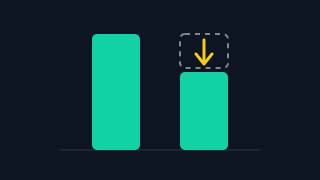
€10,000 invested for 30 years at a gross return of 6% a year: with total costs of 0.2% a year it grows to about €54,000; with costs of 1.5%, typical of many bank funds, to about €37,000. The difference, about €17,000, went entirely on costs.
The effect works like compound interest in reverse: every year, costs also take away the gains that money would have produced in the future.
Watch out for fees on small amounts
Fixed fees weigh heavily on small purchases, such as those in a savings plan.
A €2 fee on a €100 purchase is 2%: almost ten years of a cheap ETF’s TER, paid in one go.
That is why many brokers offer savings plans with low or zero fees. It is worth comparing them before you start.
- Costs are the only part of your return you control.
- Small yearly differences become large over thirty years.
- On small amounts, fees matter more than the TER.